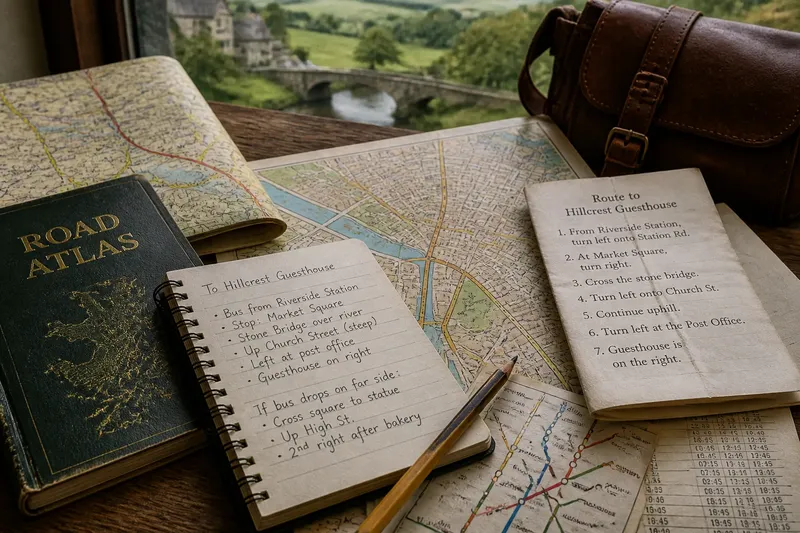
The Anchor-and-Open-Space Itinerary for a Less Rushed Travel Day
An anchor-and-open-space itinerary gives your travel day one dependable priority and room to wander, pause, or adjust when plans shift.
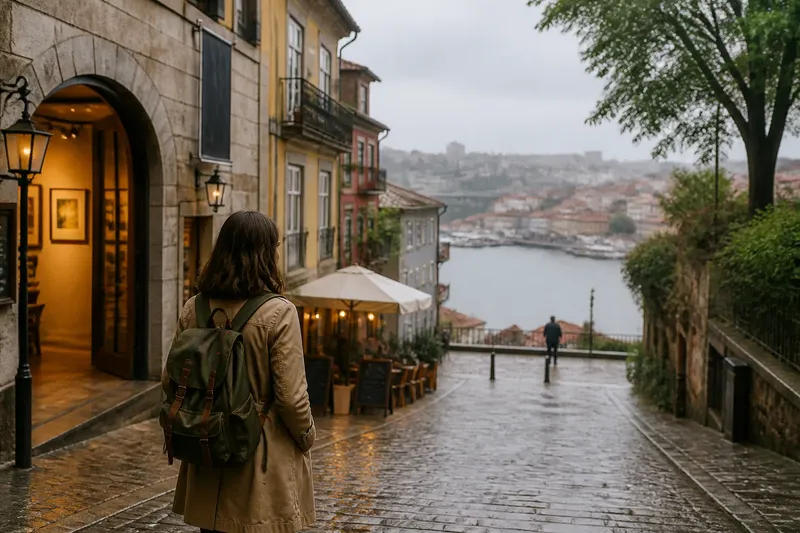
The most common itinerary mistake is treating every appealing stop as a promise. The cost is a day spent watching the clock instead of noticing the place you came to see. An anchor-and-open-space itinerary gives the day one fixed priority and leaves the rest deliberately flexible.
The anchor might be a timed museum entry, a meal with someone, or a walk you would regret missing. Open space is the unscheduled time around it—not a hidden slot waiting to be filled. The trick is to protect both: the anchor from casual distractions, and the open space from becoming a pile of extra errands.
Why does a full itinerary fall apart?
A day can look tidy on a screen and still be brittle. A café, a gallery, a scenic detour, and dinner may each seem easy to fit. But every move between them has a texture: finding the right exit, waiting for a bus, choosing lunch, or stopping because a street catches your eye.
The usual cause is planning each stop as if the time between places were empty. It is not. Travel has transitions, and transitions take attention as well as time. When the day has no breathing room, a small delay can turn the next reservation into a source of stress.
Try this: Keep one commitment that matters most, then remove or soften the rest. A second stop can become “if it feels right” rather than “must see.”
How do you choose the right anchor?
Choose an anchor by asking what would make the day feel worthwhile even if the rest changed. It should be specific enough to shape the day, but not so demanding that it consumes every decision around it.
A timed entry is a clear anchor because arrival time matters. A neighborhood market can also work if your purpose is to browse without needing to buy anything. By contrast, a vague goal such as “see the whole old town” is difficult to protect: it has no natural finish line and can quietly absorb every open hour.
- Pick one priority, not a bundle of unrelated highlights.
- Check what makes it fixed: a reservation, opening hours, another person’s schedule, or simply your own strong preference.
- Decide what counts as arriving prepared, such as knowing the entrance or having the booking details accessible.
- Set a natural stopping point so the anchor does not expand to fill the day.
Say you have a timed visit at a small art museum and want to explore the streets nearby. Make the museum the anchor; let the neighborhood wander remain open. If the galleries hold your attention, you can stay within the visit’s limits and let the later walk be shorter. The observable result is a day with one completed priority, not a scramble to recover every stop you had listed.
What should you do when the anchor keeps expanding?
Sometimes the priority itself becomes a time sink. A large museum, a sprawling garden, or a family visit can keep offering one more room, path, or conversation. The cause is often an anchor with no boundary, not a lack of discipline.
Before the day, name a stopping cue. It might be reaching a particular exhibit, finishing a planned loop, or noticing that you are no longer engaged. A cue is not a demand to rush; it is permission to leave while the experience still feels like yours.
If the anchor has a fixed closing time, plan around the part you most want to experience rather than imagining you can cover everything. If it is an open-ended visit with someone, agree on a loose departure window together. A clear edge protects the rest of the day without making the anchor feel like a chore.
How can open time stay open?
Unplanned time can be uncomfortable if every blank space looks like a planning failure. The common fix—filling the gap with another attraction—defeats the point. Open space has a job: it gives you room to respond to the day as it actually unfolds.
Keep a small menu of low-pressure possibilities, not a second itinerary. For example, you might be willing to sit in a public garden, browse a bookstore, follow an interesting side street, or head back to rest. These are options to reach for when you want them, not obligations to check off.
Use a simple test before adding anything: “Would I choose this now if it were not already on my list?” If the answer is no, let the blank remain. If you do feel curious, choose one direction and give yourself permission to turn back.
What if weather, fatigue, or a delay changes the day?
A flexible plan needs a way to bend. The anchor-and-open-space approach helps because it makes the day’s priority visible; you can decide what to adjust without treating every planned stop as equally important.
If rain changes an outdoor plan, look for an indoor option near the anchor rather than trying to cross the city for a replacement. If you feel tired, shorten the open-space wander or use it to rest. If transit runs late, protect the anchor only if it still makes sense to do so; otherwise, decide whether rescheduling or letting it go would make a better day.
Picture a traveler whose anchor is a booked cooking class and whose open afternoon was meant for a long waterfront walk. A sudden downpour starts after the class. They keep the class, take shelter at a nearby café, and leave the walk for another day. The visible outcome is a day that still has its chosen center, without forcing a wet detour just to preserve an old plan.
Which itinerary choices cause the most friction?
Should I book two timed activities in one day?
Do so only if both matter enough to justify building the day around their arrival times. Otherwise, keep one as the anchor and leave the other as a possibility, so a delay or a linger does not turn the day into a race.
How much open time should I leave?
There is no universal amount; the useful question is whether the day has room for transitions, a pause, and an unexpected detour. If you feel compelled to watch the clock between every stop, remove a commitment or loosen its timing.
What if I do not know what I want to do next?
That is a valid use of open space. Choose a nearby place to sit, walk without a destination, or return to your lodging; you do not need to replace uncertainty with another reservation.
Can a shared trip have more than one anchor?
It can, if the anchors belong to different days or fit naturally into the same outing. If each traveler names a separate must-do for the same afternoon, talk through the trade-off before booking rather than pretending every preference can fit.
How can you plan the day without overplanning it?
Write the anchor in a place you can see, then note only the practical details that keep it possible: the booking, the location, and what you need to arrive ready. Do not build a minute-by-minute route around it unless the outing genuinely requires one.
Next, mark the surrounding time as open in plain language. “Walk nearby if I feel like it” is clearer than a list of four optional stops disguised as free time. If you are traveling with someone, say what is fixed and what is truly flexible; otherwise, one person’s blank afternoon may look like an invitation to schedule it.
For an anchor-and-open-space itinerary, the strongest plan is not the one with the most destinations. It is the one that makes the priority easy to recognize and leaves enough room to change your mind. When the day begins, protect the anchor—and let the open space earn its place by staying open.